
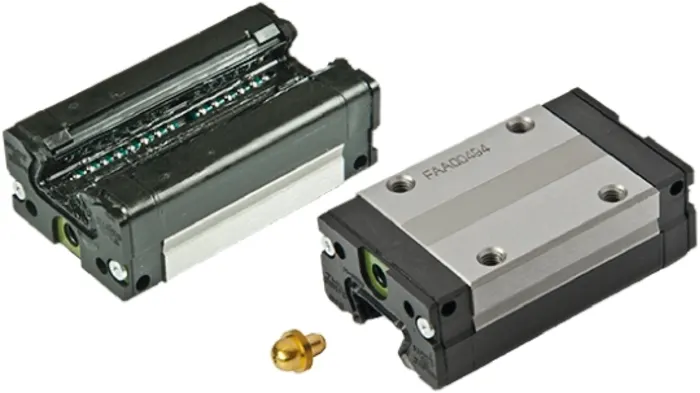

Smooth and accurate linear motion is essential in automation, CNC equipment, robotics, and precision manufacturing. Linear bushings help reduce friction and guide shaft movement, supporting stable motion and consistent performance. Among the options used in industry, bearing cage-style linear bushings are often chosen for reliability and load handling in repeated motion cycles.
What A Bearing Cage Linear Bushing Is
A bearing cage linear bushing typically uses rolling elements held in a structured cage. The cage helps keep the rolling elements aligned, reducing uneven wear and improving consistency over time. This design can be helpful in systems that demand repeatable motion, reduced vibration, and dependable guidance.
Engineers searching for Bearing cage Linear Bushing SSR (รังลูกปืน Linear Bushing SSR, which is the term in Thai) are usually seeking motion components that support controlled travel and durable performance in real-world machine conditions.
Why Bearing Cage Designs Can Improve Performance.
Compared with simpler sliding mechanisms, rolling designs can reduce friction, heat, and energy loss. That often translates into smoother motion and less maintenance. A cage can also help distribute the load more evenly, which can be necessary for equipment that runs for long hours or carries variable loads.
In production environments, smoother movement can improve accuracy, reduce noise, and protect connected components such as shafts and mounts.
Where These Bushings Are Commonly Used
Bearing cage linear bushings are often found in:
- Automation lines and pick-and-place systems
- CNC machines and laser cutters
- 3D printing platforms
- Semiconductor or electronics assembly tools
- Industrial inspection and measurement equipment
Reviewing product families like Bearing cage Linear Bushing SSR can help buyers compare sizes, load ratings, and compatibility with existing shaft systems.
Selection Tips For Better Results
Choosing the proper bushing starts with shaft diameter, load requirements, travel length, speed, and installation constraints. It’s also smart to consider lubrication requirements and environmental factors such as dust, humidity, and chemical exposure. With correct sizing and proper alignment, these components can significantly improve motion quality and system lifespan.