
Many feeding challenges that dog owners face daily stem from improper bowl placement rather than dog behavior. Single elevated dog bowls address root causes of messy eating, water splashing, and digestive issues. Understanding how feeding position affects these common problems helps you create a better mealtime experience.
The right equipment prevents problems before they start, making daily feeding easier for both you and your dog.
Stops Bowl Sliding and Movement
One of the most frustrating feeding issues is bowls that slide across the floor during meals. Dogs push bowls with their noses, creating noise and mess while chasing their food around the kitchen. Lightweight floor-level bowls lack the stability needed to stay in place.
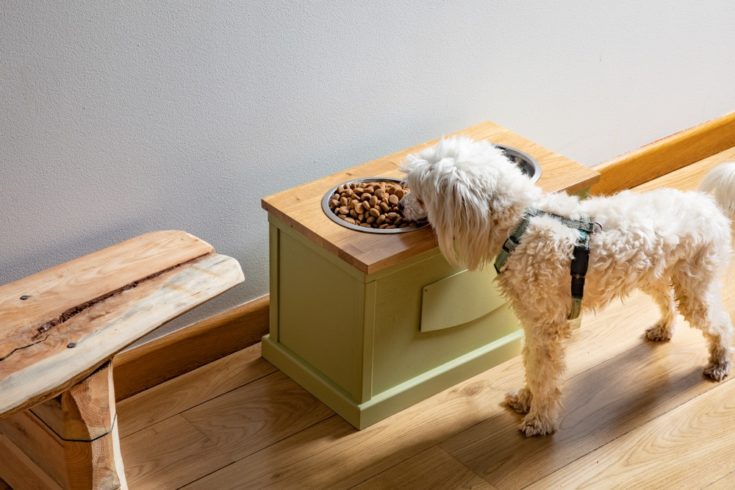
Elevated feeding stations solve this by holding bowls in fixed positions. The bowl sits securely in a stand that provides weight and stability. Your dog can eat without the bowl moving, reducing frustration and keeping food contained in one area.
Reduces Fast Eating and Gulping
Many dogs eat too quickly, which can lead to choking, vomiting, or dangerous bloating. While various factors contribute to fast eating, feeding position plays a significant role. Floor-level bowls encourage a hunched position that makes gulping easier and more likely.
Elevated bowls promote a more upright eating position that naturally slows down consumption. The improved angle makes it slightly more difficult to gulp large amounts at once, encouraging smaller bites and more deliberate chewing. This behavioral change happens automatically without requiring training or special slow-feed bowl designs.
Minimizes Water Splashing
Dogs who splash water everywhere when drinking create constant cleanup work. This problem worsens with floor-level bowls because the angle encourages more dramatic drinking motions and provides no containment.
Single elevated dog bowls reduce splashing by changing the drinking angle. The raised position means less distance for water to travel if it does splash, and the stable platform doesn’t tip or slide, keeping most water where it belongs.
Prevents Food Scatter
Enthusiastic eaters often push kibble out of their bowls onto the floor, creating mess and waste. This happens more frequently with floor-level bowls because dogs can easily nudge them at angles that spill food over the sides.
Elevated bowls stay level and stable, making it much harder for dogs to accidentally scatter their food. The raised position also means any dropped pieces fall a shorter distance and stay closer to the feeding area rather than rolling across the room.
FAQs: Single Elevated Dog Bowls for Problem Prevention
1. Will elevated bowls stop my dog from making a mess?
Yes. The stability and positioning of elevated bowls address the main causes of mealtime mess, significantly reducing cleanup time.
2. Can this help my dog who eats too fast?
Definitely. The improved eating position naturally encourages slower consumption without special bowls or training.
3. Will it prevent all water splashing?
While it significantly reduces splashing, some energetic drinkers may still create minor splashes. However, the improvement over floor-level bowls is substantial.
4. Does this work for dogs who push bowls around?
Absolutely. The weight and design of elevated feeding stations make it nearly impossible for dogs to move their bowls during meals.
5. How quickly will I see improvements?
Most owners notice reduced mess and calmer eating behavior within the first few days of switching to elevated bowls.
6. Is this suitable for all dog breeds?
Yes, though you’ll need to choose the appropriate height for your dog’s size. Elevated bowls benefit dogs of all breeds by addressing common feeding problems.